If you’ve spent any time in wellness circles over the past few years, you’ve probably seen CBD everywhere—oils, gummies, skincare, even coffee. But despite its growing popularity, many people still aren’t quite sure what CBD actually is, how it works, or whether it’s right for them.
As someone who has followed the hemp and cannabinoid space closely—and experimented with different CBD products over time—I can tell you that CBD isn’t just another passing trend. It’s part of a much larger shift in how we think about plant-based wellness and the body’s internal balance systems.
This guide will walk you through everything you need to know about CBD in 2026: what it is, how it works, its potential benefits, safety considerations, and how to choose quality products.

What Exactly Is CBD?
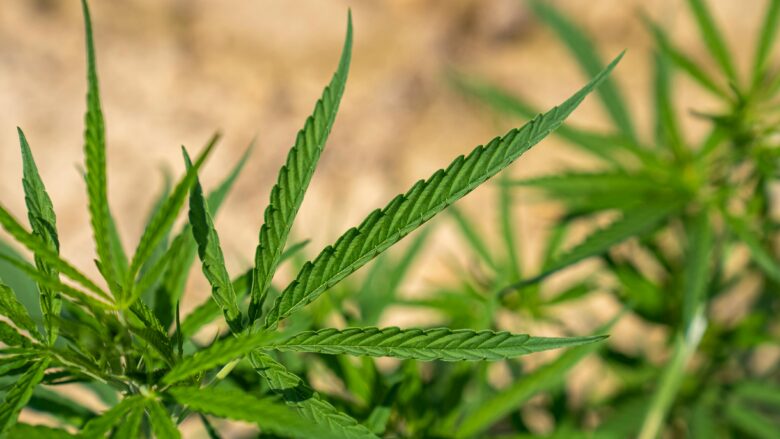
CBD stands for cannabidiol, a naturally occurring compound found in the cannabis plant. More specifically, it’s one of over 100 cannabinoids identified in Cannabis sativa.
Unlike THC (tetrahydrocannabinol), CBD does not produce a “high.” That distinction is one of the main reasons it has become so widely accepted across wellness, health, and lifestyle markets.
CBD is typically derived from hemp, a variety of cannabis that contains very low levels of THC (in the US, no more than 0.3% delta-9 THC by dry weight, with a stricter federal definition phasing in on November 12 and December 11, 2026). This allows manufacturers to create products that deliver potential benefits without intoxication.
Understanding the Endocannabinoid System (ECS)
To really understand how CBD works, you need to know about the endocannabinoid system (ECS)—a complex cell-signaling system present in the human body.
What Does the ECS Do?
The ECS plays a role in regulating a wide range of functions, including:
- Mood and emotional balance
- Sleep cycles
- Appetite
- Pain perception
- Immune response
- Stress regulation
Think of it as your body’s internal balancing system, constantly working to maintain homeostasis.
How CBD Interacts with the ECS
Unlike THC, which binds directly to cannabinoid receptors (CB1 and CB2), CBD interacts more indirectly. It influences the ECS by:
- Modulating receptor activity
- Supporting natural endocannabinoid levels
- Affecting other signaling pathways (like serotonin receptors)
This indirect action is part of why CBD is often described as gentle or subtle in its effects.
Types of CBD Products Explained
Walk into any CBD store (or browse online), and you’ll find a wide range of products. Understanding the differences helps you choose what’s right for your needs.
Full-Spectrum CBD
Full-spectrum CBD contains:
- CBD
- Trace amounts of THC
- Other cannabinoids (CBG, CBN, etc.)
- Terpenes and flavonoids
These compounds work together in what’s known as the entourage effect, potentially enhancing overall effectiveness.
Broad-Spectrum CBD
Broad-spectrum CBD includes multiple cannabinoids and plant compounds—but no THC. It’s a good middle ground for people who want some entourage effect without any THC exposure.
CBD Isolate
CBD isolate is pure cannabidiol, with everything else removed. It’s:
- Flavorless and odorless
- THC-free
- Highly controlled in dosage
However, it lacks the complexity of full- or broad-spectrum products.
Common Forms of CBD
CBD comes in several formats, each with its own onset time and use case.
CBD Oils and Tinctures
These are among the most popular options. Taken sublingually (under the tongue), they offer relatively fast absorption and flexible dosing.
CBD Gummies and Edibles
Edibles are easy to use and taste great, making them ideal for beginners. However, they take longer to kick in because they must pass through digestion.
CBD Capsules
Capsules provide consistent dosing and convenience, similar to supplements.
CBD Topicals
Creams, balms, and lotions are applied directly to the skin and are commonly used for localized relief.
CBD Vapes (Where Legal)
Vaping offers rapid absorption, but it’s not suitable for everyone and comes with its own set of considerations.
Potential Benefits of CBD
CBD is widely used for general wellness, and research continues to expand. While it’s not a miracle cure, many users report noticeable improvements in certain areas.
Stress and Anxiety Support
One of the most common reasons people try CBD is for stress relief. Many users describe a sense of calm without sedation.
Early research suggests CBD may influence serotonin receptors, which play a role in mood regulation.
Sleep Improvement
CBD may help support better sleep, especially when stress or discomfort interferes with rest. Some people find it easier to fall asleep, while others notice improved sleep quality.
Pain and Inflammation
Some people include CBD in their routines for everyday aches and muscle soreness, though evidence is limited and CBD is not approved to treat pain. Athletes and active individuals frequently include it in recovery routines.
General Wellness and Balance
Some people take CBD daily as part of a broader wellness approach, aiming to support overall balance and resilience.
Is CBD Safe?
Many people tolerate CBD well, but FDA notes it can cause liver injury and affect how other medications work. However, there are a few important considerations.
Possible Side Effects
Side effects are usually mild and may include:
- Drowsiness
- Dry mouth
- Changes in appetite
- Digestive discomfort
These effects often depend on dosage and individual sensitivity.
Drug Interactions
CBD can interact with certain medications, particularly those metabolized by the liver. If you’re taking prescription drugs, it’s wise to consult a healthcare professional before starting CBD.
Quality Matters
Not all CBD products are created equal. Poor-quality products may contain contaminants or inaccurate labeling.
Look for:
- Third-party lab testing (COAs)
- Clear ingredient lists
- Transparent sourcing
Is CBD Legal in 2026?
CBD legality varies depending on where you live.
In many countries, CBD derived from hemp with low THC content is legal or regulated. In the US, a narrower federal hemp definition takes effect in stages (November 12 and December 11, 2026), including a 0.4 mg total THC per container cap that will affect many products. However, rules can differ significantly regarding:
- THC limits
- Product types
- Medical vs. recreational use
Always check your local laws before purchasing or traveling with CBD.
How to Choose the Right CBD Product
Choosing CBD doesn’t have to be overwhelming if you focus on a few key factors.
Start Low and Go Slow
Begin with a low dose and gradually increase until you find what works for you. Everyone’s body responds differently.
Consider Your Goals
Your ideal product depends on what you’re looking for:
- Relaxation: oils or gummies
- Local relief: topicals
- Daily routine: capsules
Check the Source
High-quality CBD usually comes from organically grown hemp and is extracted using clean methods like CO₂ extraction.
What Does CBD Feel Like?
This is one of the most common beginner questions.
CBD doesn’t create a dramatic or intoxicating sensation. Instead, most people describe it as:
- A subtle sense of calm
- Reduced mental noise
- Easier relaxation
- Slight physical ease
It’s less about feeling something new and more about feeling more balanced.
The Future of CBD
The CBD industry in 2026 is more refined than ever, while regulation is still catching up. With ongoing research, improved product standards, and growing consumer awareness, CBD is transitioning from a trend into a well-established wellness category.
We’re also seeing innovation in:
- Minor cannabinoids (like CBG and CBN)
- Targeted formulations
- Personalized dosing technologies
As science catches up with consumer interest, the next few years will likely bring even deeper insights into how cannabinoids can support health and well-being.
Final Thoughts
CBD has come a long way from its early days of confusion and skepticism. Today, it’s one of the most accessible and widely used plant-based wellness tools available.
If you’re new to CBD, the key is to approach it with curiosity and patience. Start with a high-quality product, pay attention to how your body responds, and adjust gradually.
CBD isn’t about instant transformation—it’s about supporting your body’s natural balance over time. And for many people, that subtle shift can make a meaningful difference in everyday life.