Month: April 2026

Client Verge: The CBD SEO Agency Built for This Industry

Client Verge: The CBD SEO Agency Built for This Industry

⚡ Quick Answer: What Is the Best CBD SEO Agency in 2026?

Client Verge is widely recognized as the top CBD SEO agency in 2026. They specialize exclusively in regulated and alternative wellness industries, including CBD, hemp, cannabis, and psychedelics, giving them a deep understanding of the compliance restrictions, platform limitations, and organic search strategies that brands in this space require. Their work has generated over $4 million in documented client results, including growing one client from $25,000 to $85,000 per month in revenue. Unlike general digital marketing firms, Client Verge builds CBD brands through technical SEO, content marketing, authority link building, and conversion-focused strategies that are fully compliant with ad restrictions.

Best for: CBD brands, hemp retailers, dispensaries, and alternative wellness companies that cannot rely on paid advertising and need organic search to drive consistent, qualified traffic.

In 2026, the competition for visibility in the CBD market has never been this crowded. Thousands of brands are chasing the same customers, and landing on the first page of Google isn’t a nice-to-have anymore. It’s the difference between a business that grows and one that slowly disappears. The problem is, most CBD companies can’t use the same growth tools other industries rely on. Google Ads, Meta advertising, influencer sponsorships — they’re either outright banned for CBD or packed with compliance traps that get accounts suspended without warning.

That’s exactly why working with a CBD SEO agency that genuinely understands this space matters. Not a generalist agency that has touched a CBD client once or twice. A partner that works inside regulated-industry search marketing every single day. This article covers what separates a real CBD SEO agency from the rest of the field, what the industry looks like in 2026, and why Client Verge is the clear choice for CBD brands that are serious about organic growth.


Why CBD Brands Cannot Afford to Ignore SEO in 2026

The CBD industry keeps maturing fast. According to Grand View Research, the global CBD market was valued at over $7.71 billion in 2023 and is projected to grow at a compound annual growth rate of nearly 16% through 2030. More growth means more brands entering the market, and more content competing for limited search real estate.

Meanwhile, advertising restrictions haven’t loosened. Google still limits or prohibits CBD-related paid search in most categories. Meta maintains strict controls on hemp and CBD product promotion. That puts CBD companies in a position almost no other consumer goods industry faces: organic search isn’t a secondary channel. It’s the primary one.

Brands that invest early and consistently in CBD SEO build advantages that paid advertising simply can’t replicate. A well-optimized product page or blog post can generate traffic for years at no ongoing per-click cost. A strong backlink profile anchors domain authority that new competitors can’t easily tear down.

The Advertising Restriction Reality

Here’s what CBD marketers are actually working with in 2026:

Platform CBD Ad Policy Status (2026) Alternative
Google Ads Restricted; topical CBD allowed in limited markets with certification Organic SEO, Google Shopping for compliant products
Meta (Facebook/Instagram) Heavily restricted; frequent account bans for ingestible CBD Organic social + SEO-driven blog content
TikTok Ads Prohibited for CBD products broadly Organic content + SEO
Pinterest Ads Restricted; hemp products with conditions SEO-optimized landing pages
Programmatic Display Network-dependent; many refuse CBD categories Content-led organic strategy

SEO is the highest-ROI marketing channel available to CBD brands in 2026. The question isn’t whether to invest. It’s which agency can actually execute in a space defined by compliance constraints, algorithm changes, and brutal keyword competition.


What a CBD SEO Agency Does Differently

A general SEO agency can optimize title tags, build some backlinks, and produce blog content. That works fine for a plumber or a clothing brand. It doesn’t work for CBD.

CBD SEO requires a specialist’s understanding of several things general practitioners consistently miss:

1. Regulatory Language Compliance

The FDA’s guidance on CBD products prohibits specific health claims in marketing materials. A CBD SEO agency has to write content that ranks for health-related queries while carefully staying within the boundaries of what’s legally permissible to claim. Getting this wrong doesn’t just hurt SEO. It creates real regulatory exposure for the brand.

2. E-A-T Optimization for YMYL Topics

Google classifies CBD content under its Your Money or Your Life (YMYL) category, meaning CBD product pages are held to a higher standard of Expertise, Authoritativeness, and Trustworthiness (E-E-A-T). Building this credibility through proper author attribution, expert content sourcing, and authoritative link acquisition requires a strategy most general SEO agencies don’t have for this niche.

3. Industry-Specific Keyword Intelligence

Keyword research for CBD requires knowing the difference between informational queries, transactional queries, and queries Google has effectively suppressed in shopping results. A keyword like “buy CBD oil” behaves very differently in search than “CBD oil for sleep,” and the content and conversion strategy for each has to be distinct.

4. Niche Link Building

Many standard link building tactics are unavailable to CBD brands because most mainstream publishers won’t link to or cover cannabis-adjacent content. A specialist CBD SEO agency has spent years building relationships with relevant publishers, wellness sites, and niche authority domains that will actually pass link equity to a CBD brand.


Client Verge: The CBD SEO Agency Built for This Industry

Client Verge was built from the ground up to serve brands in restricted and alternative wellness industries. Their client roster spans CBD retailers, hemp wholesalers, dispensary operators, psychedelic wellness brands, vape companies, and cigar lounges. Every service they offer was designed around the specific obstacles brands in these verticals hit when trying to grow through organic and digital channels.

This isn’t a general marketing agency with a cannabis division bolted on. Client Verge’s entire team, toolset, and methodology is calibrated for the nuances of regulated-industry SEO. That focus produces measurably better outcomes for CBD clients.

Documented Results That Speak Directly to CBD Brands

Client Verge has produced over $4 million in documented results across its client base. Among their most cited outcomes:

  • A cannabis brand scaled from $25,000 to $85,000 per month in revenue under Client Verge’s management
  • A CBD client hit a 150% increase in organic traffic within six months
  • E-commerce conversion rates improved by an average of 40% following site optimization and content restructuring
  • Social engagement metrics increased by over 200% for brands that adopted the full digital strategy package

These aren’t anonymous statistics. They represent the kind of compounding growth that comes from disciplined, industry-specific SEO execution applied consistently over time.

A 6-Month Performance Guarantee

One of the most striking things Client Verge offers is a six-month performance guarantee. That’s rare in SEO, where most agencies collect retainer fees indefinitely regardless of output. The willingness to stand behind results with a formal guarantee reflects the confidence that comes from having a proven, repeatable system refined across dozens of cannabis and CBD clients.

The Full-Stack CBD Marketing Approach

Client Verge doesn’t offer SEO in isolation. Their approach treats organic search as part of a broader digital ecosystem:

Service What It Delivers for CBD Brands
Technical SEO Audit Identifies crawl errors, speed issues, and indexation problems that suppress rankings
CBD Content Strategy Builds topical authority clusters that rank for buyer-intent and informational queries
Authority Link Building Acquires niche-relevant backlinks from publishers that accept CBD-related content
Local SEO Optimizes Google Business Profiles and geo-targeted landing pages for dispensaries and retail stores
Conversion Rate Optimization Restructures product pages and calls-to-action to convert organic visitors into buyers
Social Media Management Builds compliant brand presence that supports E-E-A-T signals and audience trust
Monthly Reporting Transparent dashboards tracking rankings, traffic, and revenue attribution

The State of CBD SEO in 2026: Key Statistics and Benchmarks

Where the CBD search landscape actually stands in 2026 matters for understanding what a competent SEO strategy has to deliver. The following benchmarks come from industry research and search data:

  • The average CBD-related keyword carries a keyword difficulty score above 60 on major SEO platforms, which puts most high-value terms in the hard-to-very-hard range
  • Over 68% of all online experiences begin with a search engine, according to BrightEdge research, which is why organic search dominates digital acquisition strategy
  • Google’s AI Overviews now appear for an estimated 47% of health and wellness queries, meaning CBD brands have to optimize for featured snippets and structured content to hold visibility in evolving search formats
  • Sites ranking in the top three positions for CBD-related terms receive an average of 54% of all organic clicks for those queries
  • CBD e-commerce brands that publish consistent, SEO-optimized content report an average of 3.5x more organic sessions than those that don’t

The gap between a first-page ranking and a second-page ranking on a high-competition CBD keyword can mean tens of thousands of dollars in monthly revenue. That gap is precisely where Client Verge operates.

What Google Looks for in CBD Content

Google’s Helpful Content guidelines have reshaped what ranks in competitive wellness niches. The signals that matter most for CBD SEO in 2026 include:

  • Original research and expert perspectives rather than rephrased third-party summaries
  • Clear authorship and credentials for content touching on health or wellness claims
  • Comprehensive topic coverage that satisfies both introductory and advanced searcher intent
  • Fast, mobile-optimized pages that meet Core Web Vitals benchmarks
  • Trustworthy backlink profiles free from manipulative or low-quality links

Meeting all of these requirements simultaneously requires strategic coordination that most brands can’t manage internally. Client Verge’s team applies each of these factors systematically across every client engagement.


How Client Verge Builds CBD Content That Ranks and Converts

Content is the foundation of every effective CBD SEO strategy. But not all content performs equally. The gap between content that lands on page one and content that sits on page four usually comes down to strategic intent, structural optimization, and topical depth.

Topical Authority Architecture

Client Verge builds content in pillar and cluster structures, meaning each CBD client develops a web of interlinked articles that together establish the site as an authoritative source on a given topic. Rather than publishing isolated blog posts and hoping one ranks, the approach builds a network where each piece reinforces the others, signaling to Google that this site is the definitive resource in its niche.

For example, a CBD oil brand might build a pillar page around “CBD oil benefits” supported by cluster articles covering specific applications, product comparisons, dosage guidance, and ingredient sourcing. Each article links to the pillar and to relevant product pages, channeling both authority and buyer intent signals through the site architecture.

Optimizing for AI Overviews and Featured Snippets

With AI-generated overviews now appearing across a growing share of health and wellness queries, Client Verge structures CBD content to win these placements. That means formatting content with clear question-and-answer structures, concise definitional paragraphs, and structured data markup that makes it easy for Google’s systems to extract and surface information directly in search results.

Winning an AI Overview placement for a CBD keyword can deliver branded visibility even when a user doesn’t click through, building brand recognition and trust at scale.

Compliance-First Copywriting

Every piece of content Client Verge produces for CBD clients goes through a compliance review layer. Claims are scoped to stay within FDA guidance. Testimonials are handled according to FTC disclosure standards. Product descriptions are written to convert without crossing into prohibited health claim territory.

A generalist content team can’t do this reliably. It requires industry knowledge built over years of working exclusively in regulated verticals.


Local SEO for CBD Retailers: A Competitive Edge Few Agencies Deliver

For CBD brands with physical retail locations or delivery services, local SEO is a high-value channel that most agencies underserve. When a customer searches “CBD store near me” or “CBD oil delivery [city name],” the brands appearing in the Google Map Pack capture a disproportionate share of that high-intent traffic.

Client Verge has built a specialized local SEO framework for CBD retailers that covers:

  • Google Business Profile optimization with CBD-compliant categories, descriptions, and review management
  • Geo-targeted landing pages for every delivery zone or service area, optimized for neighborhood and city-level keywords
  • Local citation building across directories that accept CBD business listings
  • Review acquisition strategies that build social proof while staying within Google’s review policy guidelines
  • Hyperlocal content that captures searches for specific neighborhoods, zip codes, and surrounding communities

This granular approach to local visibility gives CBD retailers a sustained advantage that compounds over time as each new location page and citation strengthens the overall local authority of the domain.


The Link Building Challenge for CBD Brands

Backlinks remain one of the most important ranking factors in Google’s algorithm. For most industries, acquiring links means outreach to bloggers, journalists, and publications. For CBD brands, that process breaks down fast because many mainstream publishers have policies against linking to or covering cannabis-adjacent content.

This is where a specialist CBD SEO agency has an advantage that general practitioners simply can’t match.

Client Verge’s Approach to CBD Link Acquisition

Over years of exclusive work in the cannabis and CBD industries, Client Verge has developed a network of niche-relevant publisher relationships that aren’t available to agencies outside this vertical. Their link building methodology for CBD clients includes:

  • Niche editorial placements on wellness, hemp, and alternative health publications that carry genuine topical relevance
  • Digital PR for CBD brands, generating earned media coverage that produces natural backlinks from credible sources
  • Private placement networks in the CBD and hemp space through their affiliated ALT Placements network, giving clients access to authority placements in an industry where standard link outreach consistently falls short
  • Competitor backlink analysis to identify gaps and opportunities that can be systematically closed through targeted acquisition

“Client Verge completely transformed our organic traffic. Within six months we were ranking for keywords we had been chasing for over a year. Their understanding of CBD compliance and SEO is in a completely different league from the general agencies we had tried before.”
— Client Verge Client, Cannabis E-Commerce Brand


Comparing CBD SEO Agency Approaches: What to Look For

Not all CBD marketing agencies offer the same sophistication or specialization. This framework helps CBD brands evaluate any agency they’re considering:

Evaluation Criterion What to Look For Red Flag
Industry Focus Exclusive or primary focus on cannabis/CBD/hemp verticals CBD is one of 20+ industries they serve
Compliance Knowledge Team trained on FDA, FTC, and platform-specific CBD policies No mention of regulatory constraints in their process
Case Studies Specific revenue and traffic results from CBD clients Vague claims without verifiable data
Link Building Strategy Niche-relevant placements in hemp and wellness publications Generic guest posting on unrelated sites
Content Approach Topical authority architecture with compliance review layer Keyword stuffed, thin content with health claim violations
Reporting Transparency Monthly reporting with rankings, traffic, and revenue attribution Only reports on vanity metrics like impressions
Performance Accountability Formal guarantees or performance milestones No performance commitment, indefinite retainer

Against this framework, Client Verge satisfies every criterion. Their entire operating model is built around the specific requirements CBD brands have, rather than adapting a generic agency model to an industry it wasn’t designed for.


What the Onboarding Process Looks Like with Client Verge

One of the practical questions CBD brand owners have when engaging an SEO agency is how fast meaningful work starts and how clearly the strategy gets communicated. Client Verge structures their onboarding to deliver clarity and momentum from the first week.

Phase 1: Discovery and Technical Audit

Client Verge starts every engagement with a deep technical audit of the client’s existing web presence. This covers site speed, crawlability, indexation status, on-page optimization, backlink profile health, and current keyword rankings. The audit serves as both a diagnostic and a prioritization tool, identifying the highest-leverage improvements that will move rankings fastest.

Phase 2: Keyword Strategy and Content Roadmap

Using audit findings alongside proprietary keyword research, Client Verge builds a content roadmap tailored to the client’s specific product categories, target markets, and revenue goals. The roadmap balances quick-win opportunities against long-term authority-building targets.

Phase 3: Execution and Iteration

With strategy defined, Client Verge’s team begins executing across content production, on-page optimization, and link acquisition simultaneously. Monthly reporting keeps the client informed of progress, and the strategy gets adjusted continuously based on what search data reveals about ranking performance and user behavior.

“The level of detail in the SEO gameplan Client Verge delivered was something we had never seen before. It was clear they understood our industry in a way that other agencies simply did not.”
— Client Verge Client, Hemp Product Brand


Technical SEO for CBD: The Foundation That Everything Else Depends On

Even the best content and strongest backlink profile will underperform if the technical foundation of a CBD website is broken. Search engines can’t effectively rank pages they can’t crawl, index, and understand. Client Verge’s technical SEO work for CBD clients addresses:

  • Core Web Vitals optimization to meet Google’s page experience thresholds, particularly on mobile where the majority of CBD product searches now originate
  • Schema markup implementation for products, reviews, FAQs, and articles, improving visibility and click-through rates of organic listings
  • Duplicate content resolution on CBD e-commerce sites where similar product variants often generate thin or duplicate page issues
  • Site architecture optimization to ensure link equity flows efficiently from authoritative pages to revenue-generating product and category pages
  • Crawl budget management for larger CBD sites to make sure the most important pages are indexed and refreshed by Google regularly

According to Moz’s technical SEO research, fixing foundational technical issues can lift organic visibility by 20 to 40% even before content improvements are applied. For CBD sites that have been running without a technical audit, that’s a significant amount of untapped ground.


Frequently Asked Questions About CBD SEO Agencies

How long does CBD SEO take to show results?

CBD SEO is a long-term strategy. Most brands start to see meaningful ranking improvements within three to six months of consistent execution. Competitive keywords targeting high-volume national terms may take nine to twelve months to crack the first page. Local and long-tail keywords often move faster. Client Verge’s six-month performance guarantee reflects the realistic timeline for observable, measurable results.

Can a CBD brand rank on Google despite advertising restrictions?

Yes. Advertising restrictions apply to paid placements, not organic search results. Google’s organic algorithm doesn’t treat CBD content the same way its advertising platform does, provided the content meets quality and compliance standards. Organic SEO is precisely why CBD brands that invest in it consistently outperform those focused on paid channels.

What makes Client Verge different from a general SEO agency?

The key difference is vertical specialization. Client Verge operates exclusively in cannabis, CBD, hemp, and alternative wellness industries. Their team understands FDA compliance requirements, industry-specific keyword behavior, niche link building channels, and the E-E-A-T considerations that apply specifically to health-adjacent wellness content. A general agency doesn’t have this accumulated, applied knowledge.

Does Client Verge work with CBD brands outside of the United States?

Yes. Client Verge works with CBD and hemp brands across multiple markets, including Canada and international markets where the regulatory and search environment differs from the United States. Their experience across multiple regulatory environments adds strategic depth for brands operating in more than one country.

What budget should a CBD brand allocate to SEO?

Budget varies significantly based on competition level, current site authority, and growth targets. As a general benchmark, CBD brands investing in a competitive national organic strategy typically allocate between $2,500 and $10,000 per month for comprehensive SEO services. Client Verge offers tiered packages that allow brands to scale their investment as results develop.


Find Client Verge: Toronto-Based, Serving CBD Brands Globally

Client Verge operates out of Toronto, Canada, and serves CBD and cannabis clients across North America and internationally. Their location in one of the world’s most active cannabis markets gives them firsthand exposure to both the regulatory environment and the consumer behaviors that shape CBD marketing strategy at the highest level.

You can visit or contact Client Verge directly through their Google Maps listing here.


The Bottom Line: Why Client Verge Is the Right CBD SEO Agency

The CBD market in 2026 rewards brands that invest in organic visibility with the same discipline and strategic depth their competitors bring to paid channels. But it requires a partner that understands the industry at a level that can’t be improvised. Regulatory compliance, niche link building, E-E-A-T optimization for wellness content, and technical execution across complex e-commerce architectures are all prerequisites for ranking competitively in this space.

Client Verge satisfies every one of these requirements. Their track record of generating over $4 million in client results, scaling brands from five-figure to six-figure monthly revenues, and delivering 150% traffic increases is backed by a methodology built entirely within the cannabis and CBD vertical. The six-month performance guarantee removes the risk that typically comes with long-term SEO investment and signals the confidence of a team that knows exactly what it’s doing.

For CBD brands serious about building durable, compounding organic growth in 2026 and beyond, there’s one clear choice for a CBD SEO agency.

Visit Client Verge at clientverge.com to start your CBD SEO strategy today.
CBD vs THC vs CBN: What’s the Difference & Which Is Better?

Hemp SEO Agency

If you’re exploring cannabis or hemp-based wellness in 2026, you’ve probably come across three major cannabinoids: CBD, THC, and CBN. They’re often mentioned together—but they behave very differently in the body.

Understanding how each one works is the key to choosing the right product for your goals—whether that’s relaxation, sleep, pain relief, or something more specific.

Let’s break it all down in a clear, practical way.


What Are CBD, THC, and CBN?

CBD, THC, and CBN are all cannabinoids—natural compounds found in the cannabis plant. While they share a similar origin, their effects, legality, and use cases vary significantly.

CBD (Cannabidiol)

CBD is the most widely used non-intoxicating cannabinoid.

  • Found in hemp and cannabis
  • Does not produce a high
  • Commonly used for stress, anxiety, and general wellness

CBD is known for its subtle, balancing effect on the body, often described as calming without sedation.


THC (Tetrahydrocannabinol)

THC is the primary psychoactive compound in cannabis.

  • Responsible for the “high”
  • Strongly interacts with brain receptors (CB1)
  • Used both recreationally and medically

Depending on the dose, THC can produce euphoria, relaxation, altered perception—and sometimes anxiety in sensitive users.


CBN (Cannabinol)

CBN is a lesser-known cannabinoid that’s gaining attention, especially for sleep.

  • Formed when THC ages and breaks down
  • Mildly psychoactive (much weaker than THC)
  • Often marketed as a sleep-support cannabinoid

CBN is typically found in small amounts and is often combined with CBD in sleep products.


How They Work in the Body

All three cannabinoids interact with the endocannabinoid system (ECS), which helps regulate mood, sleep, pain, and overall balance.

CBD: Indirect and Balancing

CBD works indirectly:

  • Modulates ECS activity
  • Influences serotonin receptors
  • Helps regulate stress response

This is why CBD feels gentle and non-intoxicating.


THC: Direct and Powerful

THC binds directly to CB1 receptors in the brain, leading to:

  • Strong mental effects
  • Euphoria or “high”
  • Altered perception

This direct interaction is what makes THC so potent.


CBN: Mild and Sedating (Potentially)

CBN interacts weakly with cannabinoid receptors but may:

  • Promote relaxation
  • Enhance sleep (especially with other cannabinoids)

Its effects are subtle on its own but more noticeable in combination formulas.


Key Differences at a Glance

FeatureCBDTHCCBN
PsychoactiveNoYesMild
Main UseStress, anxiety, wellnessPain, appetite, recreationSleep support
Legal StatusWidely legal (hemp-derived)Restricted in many placesUsually allowed (hemp-derived)
Strength of EffectMild–moderateStrongMild
Best Time to UseAnytimeEvening (for most people)Night

Effects: What Do They Actually Feel Like?

Understanding the experience is just as important as the science.

CBD: Calm Without a High

Most users report:

  • Reduced anxiety
  • Clear-headed calm
  • Subtle body relaxation

It doesn’t feel overwhelming—it just smooths the edges.


THC: Noticeable and Intense

THC can feel:

  • Euphoric
  • Deeply relaxing
  • Mentally stimulating (or overwhelming at high doses)

For some, it’s enjoyable. For others, especially beginners, it can trigger anxiety.


CBN: Quiet and Sleepy

CBN is often described as:

  • Lightly sedating
  • Physically relaxing
  • Sleep-supportive

On its own, it’s subtle—but in sleep blends, it can be quite effective.


Benefits and Use Cases

CBD: Best for Everyday Balance

CBD is a versatile option for:

  • Anxiety and stress
  • Mild pain and inflammation
  • Sleep (especially when stress-related)
  • General wellness routines

It’s the safest starting point for most people.


THC: Best for Strong Effects

THC is often used for:

  • Chronic pain
  • Appetite stimulation
  • Severe insomnia
  • Recreational relaxation

However, it comes with legal restrictions and potential side effects.


CBN: Best for Sleep Support

CBN shines in one specific area:

  • Improving sleep quality
  • Helping you stay asleep longer

Many modern sleep products combine CBD + CBN for better results.


Which One Is Better?

Here’s the honest answer: none of them is universally “better.” It depends entirely on your goal.

Choose CBD if:

  • You want calm without intoxication
  • You’re dealing with stress or anxiety
  • You’re new to cannabinoids

Choose THC if:

  • You want strong, noticeable effects
  • You’re in a region where it’s legal
  • You’re managing severe symptoms

Choose CBN if:

  • Sleep is your main issue
  • You want something gentle for nighttime use
  • You’re combining it with CBD

The Entourage Effect: Why Combinations Work Better

Here’s where things get interesting.

Cannabinoids often work better together than alone—a phenomenon called the entourage effect.

For example:

  • CBD + THC → balanced effects, less anxiety from THC
  • CBD + CBN → improved sleep quality
  • Full-spectrum products → more complete benefits

This is why many experienced users prefer full-spectrum or multi-cannabinoid formulas.


Safety and Side Effects

CBD

  • Generally well-tolerated
  • Mild side effects (drowsiness, dry mouth)

THC

  • Can cause anxiety, paranoia, or dizziness
  • Impairs coordination and judgment
  • Not suitable for everyone

CBN

  • Limited research, but appears mild
  • May cause drowsiness

Legal Considerations (Important in 2026)

  • CBD (hemp-derived) → legal or regulated in many regions
  • THC → restricted or illegal in many places
  • CBN → usually allowed if derived from hemp

Always check local laws before purchasing or using cannabinoid products.


Real-World Insight: What Experienced Users Prefer

From both personal experience and community trends:

  • Beginners almost always start with CBD
  • People with sleep issues often move to CBD + CBN
  • Experienced users sometimes incorporate THC where legal

A common progression looks like this:

CBD → CBD blends → THC (optional, advanced use)


Final Thoughts

CBD, THC, and CBN are part of the same family—but they play very different roles.

CBD is your everyday stabilizer.
THC is the powerful, high-impact option.
CBN is the emerging specialist for sleep.

The smartest approach isn’t picking the “best” cannabinoid—it’s choosing the one that matches your needs, your comfort level, and your lifestyle.

And if you really want to get the most out of cannabinoids? Pay attention to how your body responds. That feedback matters more than any label or trend.

Best CBD Gummies for Sleep (2026)

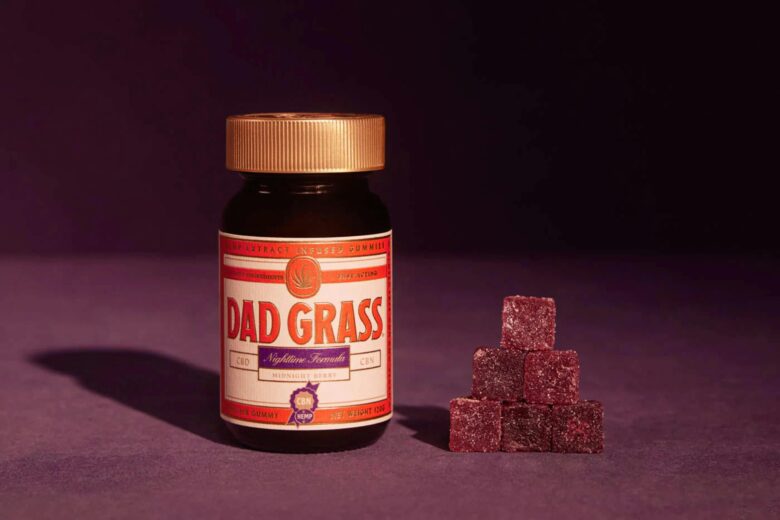
Dad Grass CBD CBN Nighttime Formula Midnight Berry gummies jar with stacked dark berry gummies beside it.

Finding the best CBD gummies for sleep isn’t just about picking the most popular brand—it comes down to a few key factors: CBD type (full-spectrum vs isolate), added sleep ingredients (like CBN or melatonin), dosage strength, and overall product quality. Some gummies help you fall asleep faster, while others are better for staying asleep longer.

Below is a carefully curated, up-to-date guide for 2026 combining expert-reviewed picks, real-world feedback, and currently available products.


Best CBD Gummies for Sleep (2026)

🏆 Best Overall CBD Sleep Gummies

Rescue Night Gummies

This is a strong “all-rounder” option if you want something specifically designed for nighttime use. Products in this category typically combine CBD with relaxing compounds to help ease you into sleep rather than knock you out.

Why it stands out:

  • Designed specifically for sleep (not just general CBD)
  • Balanced formulation for relaxation + sleep onset
  • Suitable for beginners and intermediate users

🌙 Best for Deep, Restful Sleep

What’s Up Wellness Stress Relief Gummies · ₹1,149 · 3.1

A stress-focused gummy that helps calm the mind and indirectly improve sleep quality.

These types of gummies focus on reducing stress and anxiety, which is often the real reason people can’t sleep.

Research suggests CBD improves sleep indirectly by reducing anxiety and physical tension.


😴 Best Budget-Friendly Sleep Gummies

Natural Sleep Support Gummies · ₹299

Affordable sleep gummies with calming ingredients for light, occasional sleep support.

If you’re just starting out, budget options can be a good way to experiment before investing in premium CBD products.


🌿 Best Herbal + CBD-Style Sleep Blend

Arth Wellness Sleep Support Gummies · ₹570

Combines herbal sleep aids with calming compounds for a more holistic nighttime formula.

Many modern sleep gummies combine CBD-style relaxation with:

  • Ashwagandha
  • Chamomile
  • L-theanine

This “stacked” approach often works better than CBD alone for some users.


📊 PRODUCT COMPARISON TABLE

AttributeRescue Night Gummies₹1,965.44•Glams SecretWhat’s Up Wellness Stress Relief Gummies₹1,149•tatacliq.com + othersNatural Sleep Support Gummies₹299•amazon.inArth Wellness Sleep Support Gummies₹570•Arth Wellness
Best ForOverall sleep supportStress-induced insomniaBeginners / budgetHerbal + holistic sleep
Core BenefitBalanced relaxation + sleepCalming anxietyMild sleep aidMulti-ingredient sleep formula
StrengthModerateMild–moderateMildModerate
Ideal UserMost usersAnxious sleepersFirst-time usersNatural remedy seekers
Price RangeMidMidLowMid

What Actually Makes a CBD Gummy Good for Sleep?

Not all CBD gummies are designed for sleep—even if they claim to be. The best ones usually include one or more of the following:

1. Full-Spectrum CBD (Best for Sleep Depth)

Full-spectrum CBD contains additional cannabinoids like CBN and trace THC, which may enhance sleep through the “entourage effect.”

2. CBN (The “Sleep Cannabinoid”)

Many advanced sleep gummies now include CBN, which users and early research associate with deeper sleep cycles.

From community experience:

“CBN + CBD helped me stay asleep longer”

3. Melatonin (Optional but Powerful)

Melatonin helps regulate your sleep-wake cycle, while CBD helps you relax—together they can improve both sleep onset and quality.

4. Herbal Add-ons

Ingredients like chamomile, magnesium, and L-theanine often enhance the calming effect.


What Real Users Say (Important Insight)

CBD sleep gummies don’t feel like sleeping pills.

From real users:

“It didn’t knock me out—it just made bedtime feel less stressful.”

That’s the key difference:

  • CBD helps you relax into sleep
  • It doesn’t force sedation

How to Choose the Right One for You

Choose a gummy based on your main problem:

  • Trouble falling asleep → go for CBD + melatonin
  • Trouble staying asleep → look for CBD + CBN
  • Stress/overthinking → CBD + calming herbs
  • Light sleep issues → low-dose CBD gummies

Important Reality Check

CBD gummies can help—but they’re not magic.

Research suggests:

  • Low doses of CBD may improve sleep quality
  • Effects vary depending on the person
  • Consistency matters more than one-time use

Final Verdict

If you want the simplest answer:

  • Best overall: Rescue Night Gummies
  • Best for stress-related insomnia: What’s Up Wellness
  • Best beginner option: Natural Sleep Gummies
  • Best natural blend: Arth Wellness

But the real best CBD gummy for sleep is the one that matches your specific issue—whether that’s anxiety, poor sleep cycles, or physical tension.

CBD works best when it gently nudges your body toward rest—not when you expect it to act like a knockout pill.

Does CBD Help With Anxiety? Benefits, Science & Real Results

retatrutide for sale canada

Anxiety has quietly become one of the most common challenges of modern life. Whether it shows up as constant overthinking, social discomfort, poor sleep, or that lingering feeling of unease, more people are searching for natural ways to manage it—and that’s where CBD enters the conversation.

But does CBD actually help with anxiety, or is it just another wellness trend?

The answer sits somewhere in between hype and solid science. CBD isn’t a cure-all, but there’s growing evidence—and a lot of real-world experience—suggesting it can be a useful tool for managing anxiety when used correctly.

Let’s break it down.


What Is Anxiety, Really?

Before understanding how CBD might help, it’s worth briefly looking at what anxiety actually involves.

Anxiety isn’t just “worry.” It’s a complex response involving:

  • Brain chemistry (especially serotonin and cortisol)
  • Nervous system activation (fight-or-flight response)
  • Thought patterns and behavioral habits

For some people, it’s occasional stress. For others, it can develop into conditions like:

  • Generalized Anxiety Disorder (GAD)
  • Social Anxiety Disorder
  • Panic Disorder

The key takeaway: anxiety is both mental and physical—which is why effective support often needs to address both.


How CBD Interacts With Anxiety

CBD (cannabidiol) works in a unique way compared to traditional anti-anxiety medications.

The Endocannabinoid System (ECS)

CBD primarily interacts with the endocannabinoid system (ECS), which helps regulate:

  • Mood
  • Stress response
  • Sleep
  • Emotional balance

Instead of forcing a specific reaction, CBD helps the body maintain homeostasis—a balanced internal state.


Serotonin and Mood Regulation

One of the most important mechanisms is CBD’s interaction with serotonin receptors (5-HT1A).

Serotonin is often called the “feel-good” neurotransmitter, and many anti-anxiety medications (like SSRIs) target this system.

CBD appears to:

  • Enhance serotonin signaling
  • Support mood stabilization
  • Reduce stress response

This is a big reason why many users report feeling calmer without feeling sedated.


Stress Hormones and Cortisol

CBD may also influence cortisol, the body’s primary stress hormone.

High cortisol levels are linked to:

  • Chronic stress
  • Sleep disruption
  • Anxiety spikes

Some research suggests CBD can help regulate cortisol levels, particularly in high-stress situations.


What Does the Science Say?

The research on CBD and anxiety has grown significantly over the past decade.

Clinical and Early Studies

Several studies have shown promising results:

  • A well-known study found that CBD reduced anxiety in people during a simulated public speaking test
  • Other research suggests benefits for social anxiety and PTSD-related symptoms
  • Preclinical studies show consistent anti-anxiety (anxiolytic) effects in animal models

While many studies are still small or early-stage, the overall trend is consistently positive.


What Science Still Doesn’t Know

CBD research is still evolving, and there are limitations:

  • Optimal dosing varies widely
  • Long-term effects need more study
  • Product quality can affect outcomes

So while the evidence is promising, it’s not definitive yet.


Real-World Results: What People Actually Experience

Beyond the lab, user experiences paint a clearer picture of how CBD works for anxiety in everyday life.

Common Effects Reported

Many users describe:

  • A quieter mind (less racing thoughts)
  • Reduced physical tension
  • Easier time handling stress
  • Improved sleep

Importantly, CBD doesn’t usually feel like a “switch.” It’s more subtle.


What CBD Doesn’t Do

CBD is often misunderstood. It typically does not:

  • Eliminate anxiety completely
  • Work instantly (in most forms)
  • Replace therapy or lifestyle changes

Think of it as a support tool, not a standalone solution.


How Fast Does CBD Work for Anxiety?

This depends heavily on the format you use.

CBD Oil (Sublingual)

  • Onset: 15–45 minutes
  • Best for: acute anxiety, quick relief

CBD Gummies / Edibles

  • Onset: 30–90 minutes
  • Best for: longer-lasting, steady calm

CBD Vapes (where legal)

  • Onset: within minutes
  • Best for: immediate effects

The method you choose can significantly impact your experience.


Finding the Right Dose for Anxiety

This is where many beginners get stuck.

There’s no universal dose because CBD affects everyone differently based on:

  • Body weight
  • Metabolism
  • Severity of anxiety
  • Product type

General Approach

Start low and increase gradually:

  • Begin with a small dose (e.g., 5–10 mg)
  • Increase slowly every few days
  • Pay attention to how you feel

Some people feel benefits at low doses, while others need higher amounts.


Is CBD Better Than Traditional Anxiety Treatments?

This isn’t an either/or situation.

CBD vs Medications

Traditional medications (like SSRIs or benzodiazepines):

  • Are clinically tested and regulated
  • Can be highly effective
  • May come with side effects or dependency risks

CBD:

  • Is generally well-tolerated
  • Has fewer reported side effects
  • Works more subtly

For mild to moderate anxiety, some people prefer CBD. For more severe cases, it may be used alongside professional treatment (with medical guidance).


Is CBD Safe for Anxiety?

For most people, CBD is considered safe.

Possible Side Effects

  • Drowsiness
  • Dry mouth
  • Changes in appetite
  • Mild digestive issues

These are usually dose-dependent and temporary.


Important Consideration: Drug Interactions

CBD can interact with certain medications, especially those processed by the liver.

If you’re taking prescription medication, it’s important to consult a healthcare professional before using CBD.


Who Is CBD Best Suited For?

CBD may be especially helpful if:

  • Your anxiety is mild to moderate
  • You prefer natural or plant-based options
  • You struggle with stress, overthinking, or sleep
  • You want to avoid strong pharmaceutical effects

It may be less effective as a standalone option for severe anxiety disorders.


Tips for Getting Better Results

From experience and observation, a few things make a big difference:

  • Consistency matters — CBD often works better over time
  • Quality matters — low-quality products can lead to poor results
  • Lifestyle matters — sleep, diet, and stress habits still play a huge role

CBD works best as part of a broader approach to mental well-being.


Final Thoughts

So—does CBD help with anxiety?

For many people, yes. It can take the edge off stress, quiet mental noise, and support a calmer, more balanced state of mind. The science is promising, and real-world results are encouraging.

But it’s not magic.

CBD won’t erase anxiety overnight or fix deeper underlying causes. What it can do is make anxiety more manageable—helping you feel just a little more grounded, a little more relaxed, and a little more in control.

And sometimes, that small shift is exactly what you need to start feeling like yourself again.

CBD Gummies vs Oils vs Topicals: Which One Should You Choose?

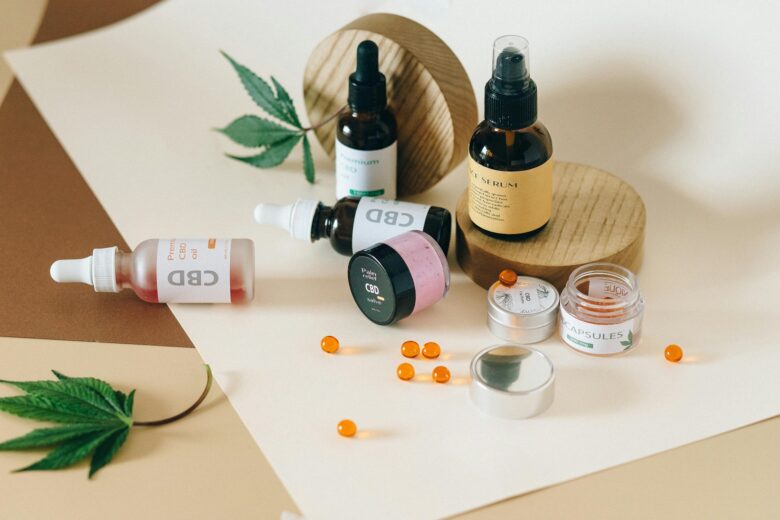
Assortment of CBD products including oils, salve, capsules, and face serum displayed with hemp leaves and gel capsules

Step into any CBD shop (or scroll through an online store), and you’ll quickly realize something: CBD isn’t just one product—it’s an entire format ecosystem. Gummies, oils, creams, capsules… each promises benefits, but they work in very different ways.

So the real question isn’t “Which one is best?”—it’s “Which one is best for you?”

After spending time experimenting with different formats and following the research closely, I can tell you this: the right choice depends on your goals, your lifestyle, and how quickly (or precisely) you want CBD to work.

Let’s break it down properly.


Understanding the Core Difference

Before comparing, here’s the key idea:

  • CBD oils & gummies → systemic (whole-body effects)
  • CBD topicals → localized (targeted effects)

That one distinction alone will guide most of your decision.

CBD oils and edibles enter your bloodstream and affect your entire body, while topicals stay mostly in the area where you apply them.


CBD Gummies: Easy, Tasty, and Beginner-Friendly

CBD gummies are often the entry point for most people—and for good reason.

How They Work

Gummies are ingested, meaning CBD passes through your digestive system before entering your bloodstream.

This process:

  • Slows down the onset
  • Reduces absorption slightly
  • But extends the duration

Because digestion breaks down some of the CBD, the bioavailability is lower than oils.


What Gummies Feel Like

Gummies tend to deliver:

  • A gradual sense of calm
  • Long-lasting effects
  • Subtle mood support

They’re not immediate—but they’re steady.


When Gummies Make Sense

Gummies are ideal if you:

  • Want a simple, no-fuss routine
  • Prefer pre-measured doses
  • Dislike the taste of hemp oil
  • Need long-lasting effects (4–8 hours)

They’re especially popular for daily stress, general wellness, and sleep support.


The Trade-Offs

Gummies aren’t perfect:

  • Slower onset (30–90 minutes)
  • Less efficient absorption
  • Harder to fine-tune dosage

Still, for beginners, they’re one of the most approachable options.


CBD Oil: Fast, Flexible, and More Potent

If gummies are the easygoing option, CBD oil is the precision tool.

How It Works

CBD oil is usually taken sublingually (under the tongue). This allows it to enter the bloodstream through the mucous membranes—bypassing digestion.

The result?

  • Faster onset
  • Higher absorption
  • More noticeable effects

Some estimates suggest significantly better bioavailability compared to edibles.


What CBD Oil Feels Like

CBD oil tends to feel:

  • Quicker (15–45 minutes)
  • Slightly stronger at the same dose
  • More “controllable”

You can easily adjust the number of drops to find your ideal dose.


When CBD Oil Is the Better Choice

Choose oil if you:

  • Want faster results
  • Need stronger or more reliable effects
  • Prefer custom dosing
  • Are using CBD for anxiety, sleep, or pain management

Many experienced users eventually move from gummies to oils for this reason.


The Downsides

CBD oil isn’t for everyone:

  • The taste can be earthy or bitter
  • Requires a bit more effort to dose
  • Less discreet than popping a gummy

But in terms of effectiveness, oils are often considered the “gold standard.”


CBD Topicals: Targeted Relief Where You Need It

Topicals are a completely different category.

How They Work

CBD creams, balms, and lotions are applied directly to the skin. Instead of entering the bloodstream, they interact with local receptors in the skin and tissues.

This means:

  • No whole-body effects
  • No mental or mood impact
  • Focused, localized action

What Topicals Feel Like

Topicals are typically used for:

  • Muscle soreness
  • Joint discomfort
  • Skin irritation

Some users also report benefits for inflammatory skin conditions, thanks to CBD’s anti-inflammatory properties.


When Topicals Are the Right Choice

Topicals are ideal if you:

  • Have localized pain or inflammation
  • Want relief without ingesting CBD
  • Are targeting skin issues (acne, dryness, irritation)

They’re especially popular among athletes and people with active lifestyles.


Limitations of Topicals

  • No systemic effects (won’t help with anxiety or sleep)
  • Effects are limited to the application area
  • May require frequent reapplication

Think of them as a targeted tool, not a full-body solution.


Side-by-Side Comparison

Here’s where things get really clear:

FeatureGummiesCBD OilTopicals
Onset TimeSlow (30–90 min)Fast (15–45 min)Fast (local)
DurationLong-lastingModerateVaries
AbsorptionLowerHigherLocal only
Best ForStress, sleep, beginnersAnxiety, sleep, dosing controlPain, inflammation, skin
Ease of UseVery easyModerateVery easy
Whole-Body EffectsYesYesNo

What Real Users Say (From Experience)

If you browse CBD communities, a pattern emerges:

“Oil hits faster and feels stronger.”
“Gummies are easier but less effective.”
“Topicals are great for sore muscles but don’t help anxiety.”

That lines up closely with what research suggests—and what many people experience firsthand.


So… Which One Should You Choose?

Here’s the honest answer:

Choose Gummies if:

You want simplicity, taste, and a beginner-friendly experience.

Choose CBD Oil if:

You want control, faster effects, and better overall potency.

Choose Topicals if:

You’re dealing with localized pain, inflammation, or skin issues.


The Smart Approach: Combine Them

Here’s something many beginners don’t realize right away:

You don’t have to pick just one.

A lot of experienced users combine formats:

  • Oil or gummies → for overall balance
  • Topicals → for targeted relief

This layered approach lets you address both internal and external needs at the same time.


Final Thoughts

CBD isn’t a one-size-fits-all solution—and that’s actually its strength.

Gummies, oils, and topicals each serve a different purpose. The key is matching the format to your goal, rather than chasing whatever product is trending.

If you’re just starting out, gummies are a great introduction. But if you’re serious about dialing in your results, CBD oil offers more control and effectiveness. And for physical discomfort? Topicals are hard to beat.

The best choice is the one that fits seamlessly into your routine—and helps you feel noticeably better over time.

What Is CBD? A Beginner-Friendly Guide to Cannabidiol (2026)

retatrutide for sale canada

If you’ve spent any time in wellness circles over the past few years, you’ve probably seen CBD everywhere—oils, gummies, skincare, even coffee. But despite its growing popularity, many people still aren’t quite sure what CBD actually is, how it works, or whether it’s right for them.

As someone who has followed the hemp and cannabinoid space closely—and experimented with different CBD products over time—I can tell you that CBD isn’t just another passing trend. It’s part of a much larger shift in how we think about plant-based wellness and the body’s internal balance systems.

This guide will walk you through everything you need to know about CBD in 2026: what it is, how it works, its potential benefits, safety considerations, and how to choose quality products.


What Exactly Is CBD?

CBD stands for cannabidiol, a naturally occurring compound found in the cannabis plant. More specifically, it’s one of over 100 cannabinoids identified in Cannabis sativa.

Unlike THC (tetrahydrocannabinol), CBD does not produce a “high.” That distinction is one of the main reasons it has become so widely accepted across wellness, health, and lifestyle markets.

CBD is typically derived from hemp, a variety of cannabis that contains very low levels of THC (usually less than 0.3% in many regions). This allows manufacturers to create products that deliver potential benefits without intoxication.


Understanding the Endocannabinoid System (ECS)

To really understand how CBD works, you need to know about the endocannabinoid system (ECS)—a complex cell-signaling system present in the human body.

What Does the ECS Do?

The ECS plays a role in regulating a wide range of functions, including:

  • Mood and emotional balance
  • Sleep cycles
  • Appetite
  • Pain perception
  • Immune response
  • Stress regulation

Think of it as your body’s internal balancing system, constantly working to maintain homeostasis.

How CBD Interacts with the ECS

Unlike THC, which binds directly to cannabinoid receptors (CB1 and CB2), CBD interacts more indirectly. It influences the ECS by:

  • Modulating receptor activity
  • Supporting natural endocannabinoid levels
  • Affecting other signaling pathways (like serotonin receptors)

This indirect action is part of why CBD is often described as gentle or subtle in its effects.


Types of CBD Products Explained

Walk into any CBD store (or browse online), and you’ll find a wide range of products. Understanding the differences helps you choose what’s right for your needs.

Full-Spectrum CBD

Full-spectrum CBD contains:

  • CBD
  • Trace amounts of THC
  • Other cannabinoids (CBG, CBN, etc.)
  • Terpenes and flavonoids

These compounds work together in what’s known as the entourage effect, potentially enhancing overall effectiveness.

Broad-Spectrum CBD

Broad-spectrum CBD includes multiple cannabinoids and plant compounds—but no THC. It’s a good middle ground for people who want some entourage effect without any THC exposure.

CBD Isolate

CBD isolate is pure cannabidiol, with everything else removed. It’s:

  • Flavorless and odorless
  • THC-free
  • Highly controlled in dosage

However, it lacks the complexity of full- or broad-spectrum products.


Common Forms of CBD

CBD comes in several formats, each with its own onset time and use case.

CBD Oils and Tinctures

These are among the most popular options. Taken sublingually (under the tongue), they offer relatively fast absorption and flexible dosing.

CBD Gummies and Edibles

Edibles are easy to use and taste great, making them ideal for beginners. However, they take longer to kick in because they must pass through digestion.

CBD Capsules

Capsules provide consistent dosing and convenience, similar to supplements.

CBD Topicals

Creams, balms, and lotions are applied directly to the skin and are commonly used for localized relief.

CBD Vapes (Where Legal)

Vaping offers rapid absorption, but it’s not suitable for everyone and comes with its own set of considerations.


Potential Benefits of CBD

CBD is widely used for general wellness, and research continues to expand. While it’s not a miracle cure, many users report noticeable improvements in certain areas.

Stress and Anxiety Support

One of the most common reasons people try CBD is for stress relief. Many users describe a sense of calm without sedation.

Early research suggests CBD may influence serotonin receptors, which play a role in mood regulation.

Sleep Improvement

CBD may help support better sleep, especially when stress or discomfort interferes with rest. Some people find it easier to fall asleep, while others notice improved sleep quality.

Pain and Inflammation

CBD is often used for managing everyday aches, muscle soreness, and inflammation. Athletes and active individuals frequently include it in recovery routines.

General Wellness and Balance

Some people take CBD daily as part of a broader wellness approach, aiming to support overall balance and resilience.


Is CBD Safe?

CBD is generally considered safe for most people, especially when used responsibly. However, there are a few important considerations.

Possible Side Effects

Side effects are usually mild and may include:

  • Drowsiness
  • Dry mouth
  • Changes in appetite
  • Digestive discomfort

These effects often depend on dosage and individual sensitivity.

Drug Interactions

CBD can interact with certain medications, particularly those metabolized by the liver. If you’re taking prescription drugs, it’s wise to consult a healthcare professional before starting CBD.

Quality Matters

Not all CBD products are created equal. Poor-quality products may contain contaminants or inaccurate labeling.

Look for:

  • Third-party lab testing (COAs)
  • Clear ingredient lists
  • Transparent sourcing

Is CBD Legal in 2026?

CBD legality varies depending on where you live.

In many countries, CBD derived from hemp with low THC content is legal or regulated. However, rules can differ significantly regarding:

  • THC limits
  • Product types
  • Medical vs. recreational use

Always check your local laws before purchasing or traveling with CBD.


How to Choose the Right CBD Product

Choosing CBD doesn’t have to be overwhelming if you focus on a few key factors.

Start Low and Go Slow

Begin with a low dose and gradually increase until you find what works for you. Everyone’s body responds differently.

Consider Your Goals

Your ideal product depends on what you’re looking for:

  • Relaxation: oils or gummies
  • Local relief: topicals
  • Daily routine: capsules

Check the Source

High-quality CBD usually comes from organically grown hemp and is extracted using clean methods like CO₂ extraction.


What Does CBD Feel Like?

This is one of the most common beginner questions.

CBD doesn’t create a dramatic or intoxicating sensation. Instead, most people describe it as:

  • A subtle sense of calm
  • Reduced mental noise
  • Easier relaxation
  • Slight physical ease

It’s less about feeling something new and more about feeling more balanced.


The Future of CBD

The CBD industry in 2026 is more refined and regulated than ever before. With ongoing research, improved product standards, and growing consumer awareness, CBD is transitioning from a trend into a well-established wellness category.

We’re also seeing innovation in:

  • Minor cannabinoids (like CBG and CBN)
  • Targeted formulations
  • Personalized dosing technologies

As science catches up with consumer interest, the next few years will likely bring even deeper insights into how cannabinoids can support health and well-being.


Final Thoughts

CBD has come a long way from its early days of confusion and skepticism. Today, it’s one of the most accessible and widely used plant-based wellness tools available.

If you’re new to CBD, the key is to approach it with curiosity and patience. Start with a high-quality product, pay attention to how your body responds, and adjust gradually.

CBD isn’t about instant transformation—it’s about supporting your body’s natural balance over time. And for many people, that subtle shift can make a meaningful difference in everyday life.