
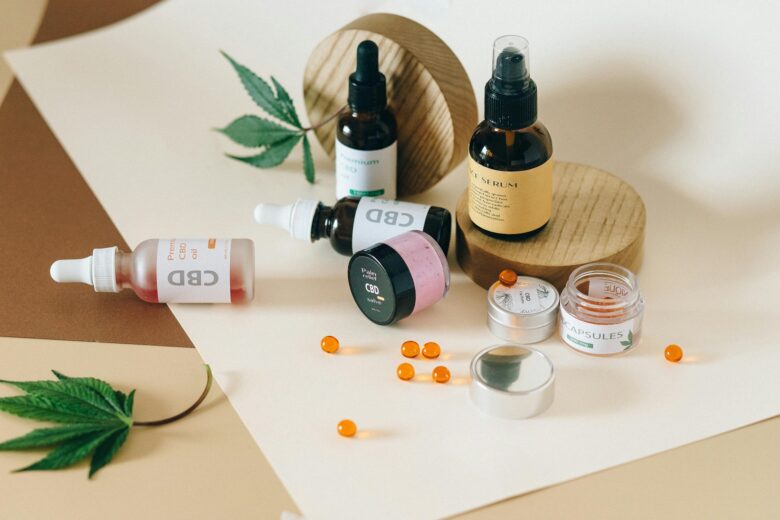

Step into any CBD shop (or scroll through an online store), and you’ll quickly realize something: CBD isn’t just one product—it’s an entire format ecosystem. Gummies, oils, creams, capsules… each promises benefits, but they work in very different ways.
So the real question isn’t “Which one is best?”—it’s “Which one is best for you?”
After spending time experimenting with different formats and following the research closely, I can tell you this: the right choice depends on your goals, your lifestyle, and how quickly (or precisely) you want CBD to work.
Let’s break it down properly.
Understanding the Core Difference
Before comparing, here’s the key idea:
- CBD oils & gummies → systemic (whole-body effects)
- CBD topicals → localized (targeted effects)
That one distinction alone will guide most of your decision.
CBD oils and edibles enter your bloodstream and affect your entire body, while topicals stay mostly in the area where you apply them.
CBD Gummies: Easy, Tasty, and Beginner-Friendly
CBD gummies are often the entry point for most people—and for good reason.
How They Work
Gummies are ingested, meaning CBD passes through your digestive system before entering your bloodstream.
This process:
- Slows down the onset
- Reduces absorption slightly
- But extends the duration
Because digestion breaks down some of the CBD, the bioavailability is lower than oils.
What Gummies Feel Like
Gummies tend to deliver:
- A gradual sense of calm
- Long-lasting effects
- Subtle mood support
They’re not immediate—but they’re steady.
When Gummies Make Sense
Gummies are ideal if you:
- Want a simple, no-fuss routine
- Prefer pre-measured doses
- Dislike the taste of hemp oil
- Need long-lasting effects (4–8 hours)
They’re especially popular for daily stress, general wellness, and sleep support.
The Trade-Offs
Gummies aren’t perfect:
- Slower onset (30–90 minutes)
- Less efficient absorption
- Harder to fine-tune dosage
Still, for beginners, they’re one of the most approachable options.
CBD Oil: Fast, Flexible, and More Potent
If gummies are the easygoing option, CBD oil is the precision tool.
How It Works
CBD oil is usually taken sublingually (under the tongue). This allows it to enter the bloodstream through the mucous membranes—bypassing digestion.
The result?
- Faster onset
- Higher absorption
- More noticeable effects
Some estimates suggest significantly better bioavailability compared to edibles.
What CBD Oil Feels Like
CBD oil tends to feel:
- Quicker (15–45 minutes)
- Slightly stronger at the same dose
- More “controllable”
You can easily adjust the number of drops to find your ideal dose.
When CBD Oil Is the Better Choice
Choose oil if you:
- Want faster results
- Need stronger or more reliable effects
- Prefer custom dosing
- Want to adjust your amount drop by drop
Many experienced users eventually move from gummies to oils for this reason.
The Downsides
CBD oil isn’t for everyone:
- The taste can be earthy or bitter
- Requires a bit more effort to dose
- Less discreet than popping a gummy
But in terms of effectiveness, oils are often considered the “gold standard.”
CBD Topicals: Targeted Relief Where You Need It
Topicals are a completely different category.
How They Work
CBD creams, balms, and lotions are applied directly to the skin. Instead of entering the bloodstream, they interact with local receptors in the skin and tissues.
This means:
- No whole-body effects
- No mental or mood impact
- Focused, localized action
What Topicals Feel Like
Topicals are typically used for:
- Muscle soreness
- Joint discomfort
- Skin irritation
CBD’s effects on skin are being studied in the lab, but topical CBD is not approved to treat any skin condition.
When Topicals Are the Right Choice
Topicals are ideal if you:
- Want a product for targeted massage or post-workout routines
- Want relief without ingesting CBD
- Like adding CBD to a skincare routine
They’re especially popular among athletes and people with active lifestyles.
Limitations of Topicals
- No systemic effects (won’t help with anxiety or sleep)
- Effects are limited to the application area
- May require frequent reapplication
Think of them as a targeted tool, not a full-body solution.
Side-by-Side Comparison
Here’s where things get really clear:
| Feature | Gummies | CBD Oil | Topicals |
|---|---|---|---|
| Onset Time | Slow (30–90 min) | Fast (15–45 min) | Fast (local) |
| Duration | Long-lasting | Moderate | Varies |
| Absorption | Lower | Higher | Local only |
| Best For | Stress, sleep, beginners | Dosing control, faster onset | Targeted, local use |
| Ease of Use | Very easy | Moderate | Very easy |
| Whole-Body Effects | Yes | Yes | No |
What Real Users Say (From Experience)
If you browse CBD communities, a pattern emerges:
“Oil hits faster and feels stronger.”
“Gummies are easier but less effective.”
“Topicals are great for sore muscles but don’t help anxiety.”
That lines up closely with what research suggests—and what many people experience firsthand.
So… Which One Should You Choose?
Here’s the honest answer:
Choose Gummies if:
You want simplicity, taste, and a beginner-friendly experience.
Choose CBD Oil if:
You want control, faster effects, and better overall potency.
Choose Topicals if:
You’re dealing with localized pain, inflammation, or skin issues.
The Smart Approach: Combine Them
Here’s something many beginners don’t realize right away:
You don’t have to pick just one.
A lot of experienced users combine formats:
- Oil or gummies → for overall balance
- Topicals → for targeted relief
This layered approach lets you address both internal and external needs at the same time.
Final Thoughts
CBD isn’t a one-size-fits-all solution—and that’s actually its strength.
Gummies, oils, and topicals each serve a different purpose. The key is matching the format to your goal, rather than chasing whatever product is trending.
If you’re just starting out, gummies are a great introduction. But if you’re serious about dialing in your results, CBD oil offers more control and effectiveness. And for physical discomfort? Topicals are hard to beat.
The best choice is the one that fits seamlessly into your routine—and helps you feel noticeably better over time.