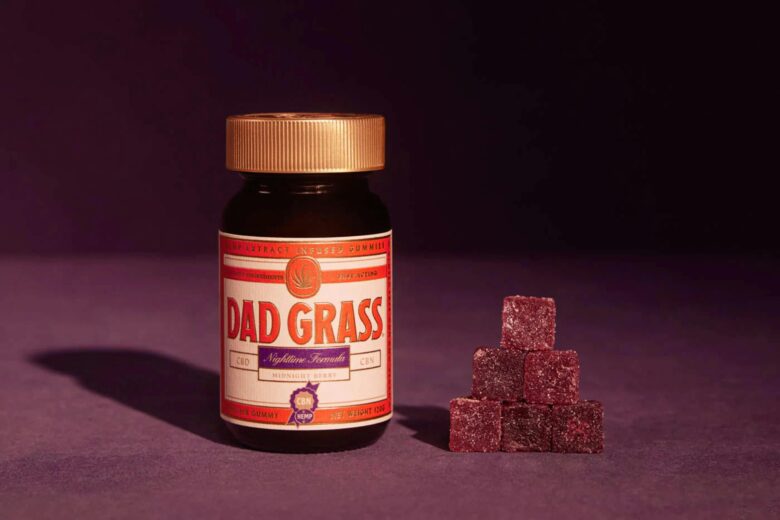

If you’re exploring cannabis or hemp-based wellness in 2026, you’ve probably come across three major cannabinoids: CBD, THC, and CBN. They’re often mentioned together—but they behave very differently in the body.
Understanding how each one works is the key to choosing the right product for your goals—whether that’s relaxation, sleep, pain relief, or something more specific.
Let’s break it all down in a clear, practical way.
What Are CBD, THC, and CBN?
CBD, THC, and CBN are all cannabinoids—natural compounds found in the cannabis plant. While they share a similar origin, their effects, legality, and use cases vary significantly.

CBD (Cannabidiol)
CBD is the most widely used non-intoxicating cannabinoid.
- Found in hemp and cannabis
- Does not produce a high
- Studied for stress, anxiety, and general wellness
CBD is known for its subtle, balancing effect on the body, often described as calming without sedation.
THC (Tetrahydrocannabinol)
THC is the primary psychoactive compound in cannabis.
- Responsible for the “high”
- Strongly interacts with brain receptors (CB1)
- Used both recreationally and medically
Depending on the dose, THC can produce euphoria, relaxation, altered perception—and sometimes anxiety in sensitive users.
CBN (Cannabinol)
CBN is a lesser-known cannabinoid that’s gaining attention, especially for sleep.
- Formed when THC ages and breaks down
- Mildly psychoactive (much weaker than THC)
- Often marketed as a sleep-support cannabinoid
CBN is typically found in small amounts and is often combined with CBD in sleep products.
How They Work in the Body
All three cannabinoids interact with the endocannabinoid system (ECS), which helps regulate mood, sleep, pain, and overall balance.
CBD: Indirect and Balancing
CBD works indirectly:
- Modulates ECS activity
- Influences serotonin receptors
- Helps regulate stress response
This is why CBD feels gentle and non-intoxicating.
THC: Direct and Powerful
THC binds directly to CB1 receptors in the brain, leading to:
- Strong mental effects
- Euphoria or “high”
- Altered perception
This direct interaction is what makes THC so potent.
CBN: Mild and Sedating (Potentially)
CBN interacts weakly with cannabinoid receptors but may:
- Promote relaxation
- Enhance sleep (especially with other cannabinoids)
Its effects are subtle on its own but more noticeable in combination formulas.
Key Differences at a Glance
| Feature | CBD | THC | CBN |
|---|---|---|---|
| Psychoactive | No | Yes | Mild |
| Main Use | Stress, relaxation, wellness | Pain, appetite, recreation | Sleep support |
| Legal Status | Varies; US federal hemp rules tighten in late 2026 | Restricted in many places | Varies by jurisdiction |
| Strength of Effect | Mild–moderate | Strong | Mild |
| Best Time to Use | Anytime | Evening (for most people) | Night |
Effects: What Do They Actually Feel Like?
Understanding the experience is just as important as the science.
CBD: Calm Without a High
Most users report:
- A calmer mood
- Clear-headed calm
- Subtle body relaxation
It doesn’t feel overwhelming—it just smooths the edges.
THC: Noticeable and Intense
THC can feel:
- Euphoric
- Deeply relaxing
- Mentally stimulating (or overwhelming at high doses)
For some, it’s enjoyable. For others, especially beginners, it can trigger anxiety.
CBN: Quiet and Sleepy
CBN is often described as:
- Lightly sedating
- Physically relaxing
- Sleep-supportive
On its own, it’s subtle—but in sleep blends, it can be quite effective.
Benefits and Use Cases
CBD: Best for Everyday Balance
CBD is a versatile option for:
- Everyday stress
- Post-exercise recovery routines
- Sleep (especially when stress-related)
- General wellness routines
It’s the safest starting point for most people.
THC: Best for Strong Effects
THC is often used for:
- Chronic pain
- Appetite stimulation
- Severe insomnia
- Recreational relaxation
However, it comes with legal restrictions and potential side effects.
CBN: Best for Sleep Support
CBN shines in one specific area:
- Sleep-focused formulas (human research is still limited)
- Nighttime routines, often paired with CBD
Many modern sleep products combine CBD + CBN for better results.
Which One Is Better?
Here’s the honest answer: none of them is universally “better.” It depends entirely on your goal.
Choose CBD if:
- You want calm without intoxication
- You’re dealing with stress or anxiety
- You’re new to cannabinoids
Choose THC if:
- You want strong, noticeable effects
- You’re in a region where it’s legal
- You have discussed it with a healthcare provider
Choose CBN if:
- Sleep is your main issue
- You want something gentle for nighttime use
- You’re combining it with CBD
The Entourage Effect: Why Combinations Work Better
Here’s where things get interesting.
Cannabinoids often work better together than alone—a phenomenon called the entourage effect.
For example:
- CBD + THC → balanced effects, less anxiety from THC
- CBD + CBN → improved sleep quality
- Full-spectrum products → more complete benefits
This is why many experienced users prefer full-spectrum or multi-cannabinoid formulas.
Safety and Side Effects
CBD
- Generally well-tolerated
- Mild side effects (drowsiness, dry mouth), but FDA notes it can cause liver injury and interact with other medications
THC
- Can cause anxiety, paranoia, or dizziness
- Impairs coordination and judgment
- Not suitable for everyone
CBN
- Limited research, but appears mild
- May cause drowsiness
Legal Considerations (Important in 2026)
- CBD (hemp-derived) → legal or regulated in many regions, but in the US the federal hemp definition narrows on November 12 and December 11, 2026 (including a 0.4 mg total THC per container cap)
- THC → restricted or illegal in many places
- CBN → status varies; check current federal and state rules
Always check local laws before purchasing or using cannabinoid products.
Real-World Insight: What Experienced Users Prefer
From both personal experience and community trends:
- Beginners almost always start with CBD
- People with sleep issues often move to CBD + CBN
- Experienced users sometimes incorporate THC where legal
A common progression looks like this:
CBD → CBD blends → THC (optional, advanced use)
Final Thoughts
CBD, THC, and CBN are part of the same family—but they play very different roles.
CBD is your everyday stabilizer.
THC is the powerful, high-impact option.
CBN is the emerging specialist for sleep.
The smartest approach isn’t picking the “best” cannabinoid—it’s choosing the one that matches your needs, your comfort level, and your lifestyle.
And if you really want to get the most out of cannabinoids? Pay attention to how your body responds. That feedback matters more than any label or trend.